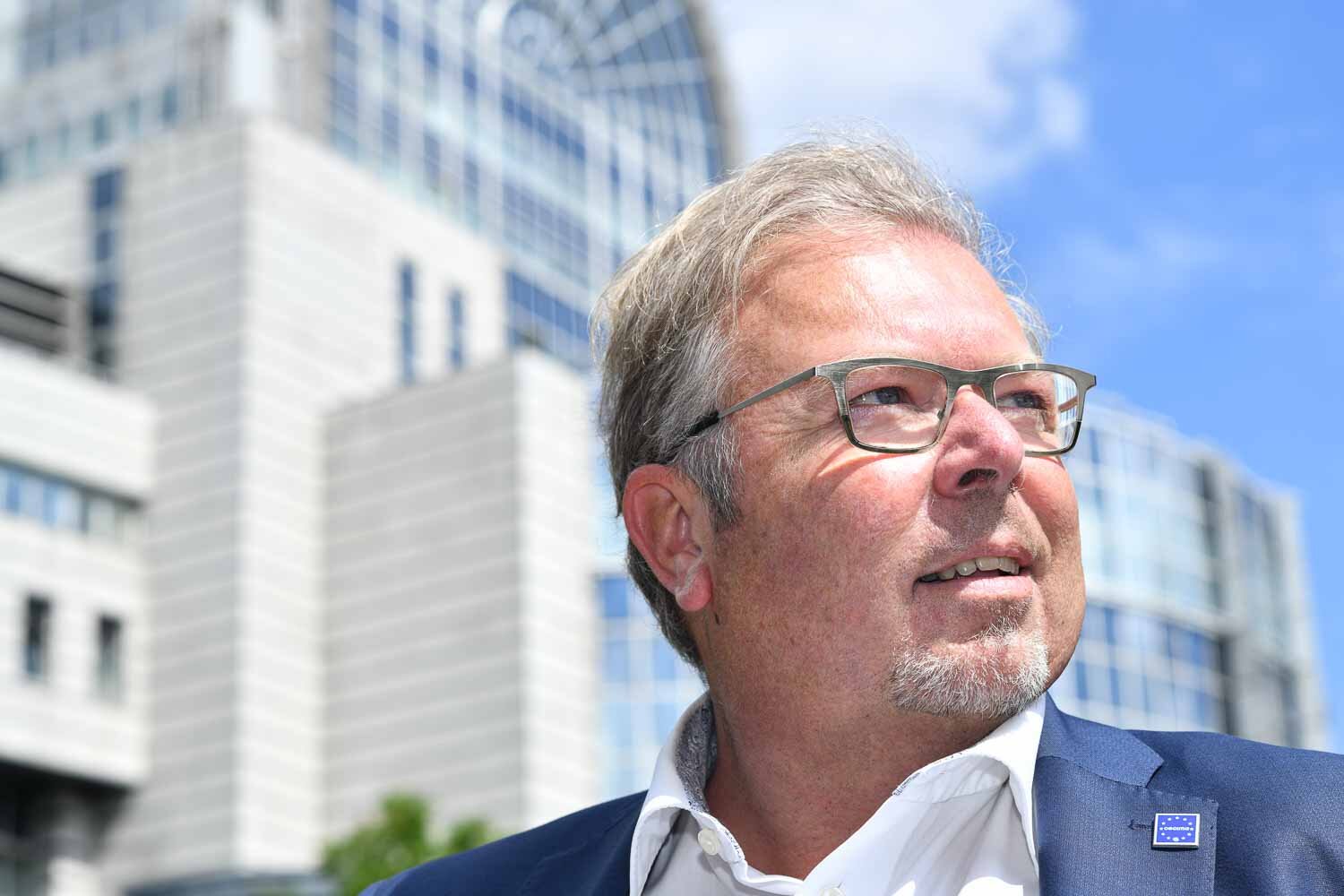
We all create and consume digital images at an extraordinary rate, in particular on social media. How many photographs do you see each day on Instagram, Facebook and the other platforms? Of those, what percentage do you look at for more than a second? The honest answer is probably ‘not very many’.
La version française de cet article est également disponible
Slow down
If you’re under 40, brace yourself for some shocking news. When I was young I used to spend hours leafing through my parents’ photo albums. I looked at the same images over and over again. And though the prints were small and black and white, I’d spend long moments poring over each of my favourite photos.
I still love looking at printed photographs, whether in books or albums or on the walls of my home or of a museum. Less can still be more. The reason people hire professional photographers like me when they themselves carry pretty powerful cameras in their pockets or handbags at all times is because they know that the images we make can give them something more – more enjoyment, over a longer time.
So, if you’ve paid for a set of professional photos, by all means post them on your Instagram feed. But don’t stop there. You can get so much more pleasure from them. Here are a few ideas.
Print your photographs
I deliver each client photograph in two versions – the first optimised for viewing on screen and sharing on the web, and the second optimised for printing. It’s very easy to upload these print-optimised files to one of the many excellent online print services. The prints they make are generally of very high quality and relatively inexpensive, and they usually arrive by post in just a few days.
You can order ‘old-fashioned’ 15 x 10cm prints for about €0,25 a piece. I usually recommend Pixum for this type of printing. They also do a range of other products, including albums, calendars and greeting cards.
Making larger prints to hang on the wall where you will be able to enjoy them every day is a bit more expensive, but worth every cent in my view. Personally I use Zor to make 45 x 30cm prints on 5mm Forex board at €7,99 each. These are light and durable and can be fixed to the wall with easily removable adhesive ‘velcro’ strips. For larger prints framed behind glass, I go to Sadocolor Duplimedia, who always do a fantastic job. The last set of 90 x 60cm framed prints that I ordered for a client cost just over €200 TVAC apiece.
These companies serve the Belgian market, but a little online research will find equally good suppliers in other countries.
Use all of your screens
I also really enjoy viewing photographs on a large screen, provided they don’t change too quickly. If you aren't already using your television to look at your favourite photos, you're missing out.
The easiest way to display photos on a TV screen is to use a USB key. Most recent sets have at least one USB port. Just plug in the key with the image files, select it as the source, and choose 'Photos' from the menu. Of course, different TV manufacturers implement this in slightly different ways.
If you use Google TV or a Chromecast, you can also select a Google Photos album as your ambient display. This means that you can curate a special album with your favourite images, and they will appear in a slideshow on your TV whenever you’re not watching a programme or a video. You can control the speed of the transitions from one image to the next. I prefer to ‘hide’ all of the on-screen information and enjoy my photos in their unadulterated glory.