Studio portrait magic

Nearly half of all my completed photo shoots so far this year have been done in the studio, up from just 15% in 2019. In part, this can be explained by the coronavirus crisis – there is simply much less of other kinds of work such as corporate events. But after only four months of full activity (all bookings from mid-March to the end of June were cancelled), I’ve already done more studio shoots than in the whole of 2019.

I don’t think I’m encouraging this trend myself. My personal preference is actually for environmental portraiture shot in the subject’s home or office, in a park or in the street. But I am coming to appreciate the ‘purity’ of a studio portrait session. And perhaps potential clients visiting this site like the examples that I post here, and want the same look themselves.

My studio is in the attic of my home. I welcome my clients at the front door and usually offer them a glass of water or a cup of coffee. Then we climb the stairs to the studio. As we sit to catch our breath, I open a conversation.

Very few people expect to enjoy being in front of the camera. Most of us are self-conscious about some aspect of our appearance, and we are all self-conscious about our selves. It’s not easy to be looked at so intensely, especially by a stranger. Chatting quietly for five or ten minutes before we start to shoot provides a basis for trust to grow between us. (“The photographer seems okay. He’s interested in me. He’s listening to what I want.”) My aim is to create a mood in which the subject no longer feels afraid, accepts to work with me, and finally opens willingly to my gaze.

We discuss different clothing options, positions and backgrounds. Quite often, people expect me to direct the entire shoot. “You’re the professional. Just tell me what to do.” I explain to the subject that I will need their active collaboration. I will take care of the light, the focus and the depth of field. But I can’t control their facial expression. Just ordering someone to relax can have quite the opposite effect. And telling them to smile usually produces an unnatural grimace. I give hints (“try resting your weight on one leg as if you were waiting in a queue”). I encourage the subject to move, to try different angles and positions. I tell them when I see an expression or a position that works well, and from time to time I show them the photograph I’ve just taken. The session becomes a kind of game that we are playing together.

Especially if someone gets ‘frozen’ in a particular pose, it’s important to take frequent short breaks. I will take the opportunity to adjust my lighting set-up, and let the client check their face and clothes in the mirror. If they have been standing, I may suggest trying some seated shots. When we start again, muscles have relaxed and thoughts have moved on. We can make a fresh start.

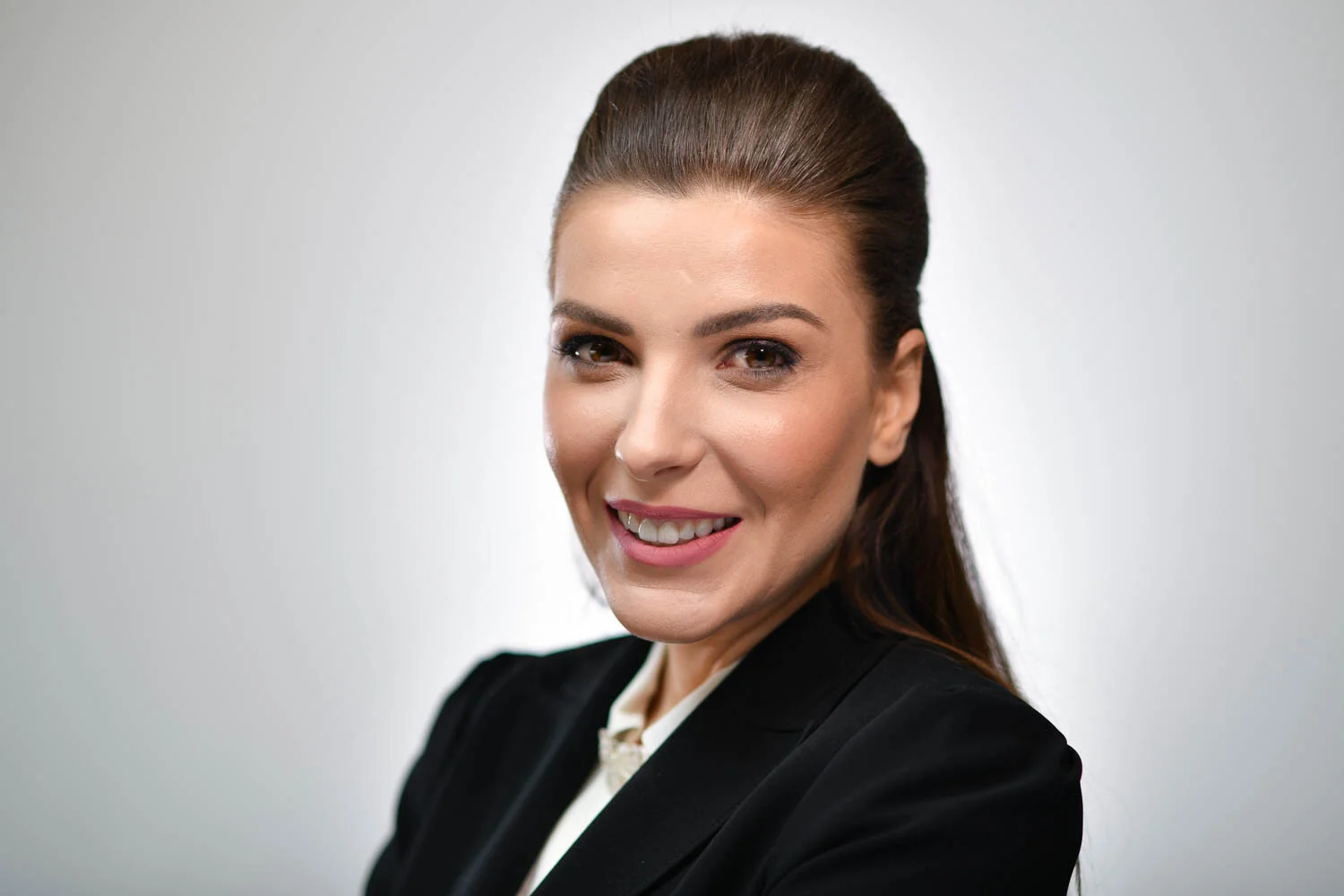
Almost always, something magical happens at least once in the course of a studio session. The subject’s thoughts and feelings, all the tiny muscles around his or her eyes and mouth, my hands controlling the angle of the camera and my finger releasing the shutter, all line up in such a way that the photons of light bouncing off the face, passing through the lens and hitting the sensor’s 45 million pixels produce an image to which the only response is “Wow!”
Wedding album

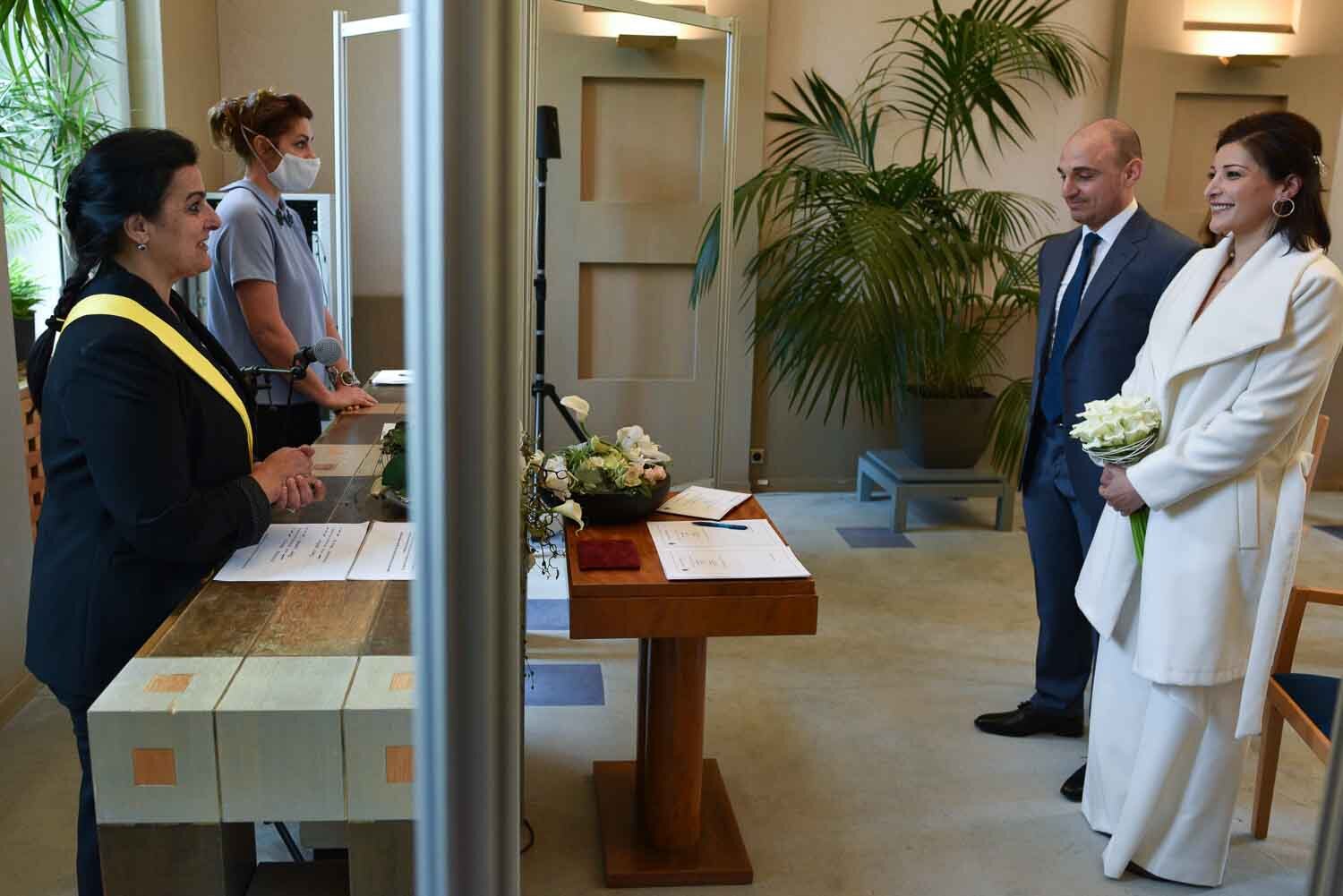
Here in Belgium, weddings are now authorised again, but the number of guests is strictly limited to comply with social distancing measures.

This morning I shot my first wedding since the end of February. Just 16 people were present. The bride’s parents, who live abroad, followed the proceedings via WhatsApp.

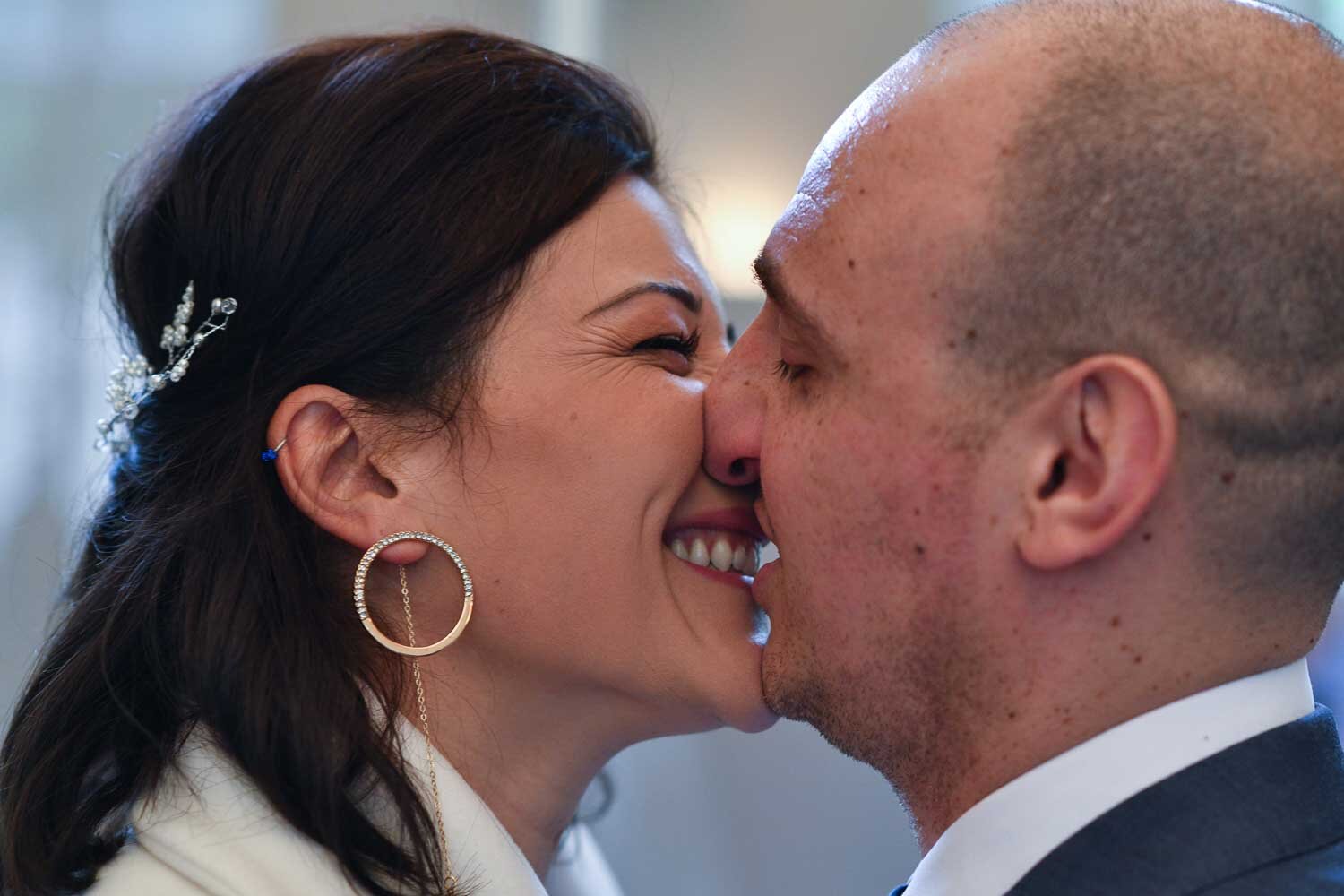
I prefer to work without flash whenever possible – flash not only distracts the people in the room from the emotions of the moment, but also renders them in a less authentic way. Luckily there was just enough light to allow this. I particularly liked the gentle backlighting on their faces for the first kiss.

The wedding took place in an old abbey, and the grounds offered a range of possible backdrops for formal and informal photographs. With everybody starting to relax after the heightened emotions of the ceremony itself, I managed to capture a number of good, unposed shots.

LOCKDOWN-Europe

Belgium was officially locked down on 18 March. We went indoors and stayed there. We stopped going to work. We stopped going to school. When we had to, we hurried out to the shops, but as soon as we could we hurried back home again. Brussels’ 1.3 million inhabitants were confined, and the additional 350,000 who normally commute into the city each day were asked to stay where they were.

Brussels was transformed. Immediately we noticed how quiet it was, and how clear the air was. And once we’d got over our initial panic, we established new routines. Those who could worked from home in casual clothes. We dug out old sets of Monopoly and long-forgotten jigsaw puzzles. We kept in touch with friends and lovers via Instagram and TikTok. We learned how to use Zoom and Jitsi, and got in touch with people we hadn’t seen in decades. We washed our windows.

And we started to inhabit our streets in a new way. We greeted neighbours and even total strangers. Bonjour jeune homme. Bonjour madame. Goedemorgen meneer. Can I help you? After all, we were all living through something remarkable, strange and difficult. We were being asked to stay inside, but when we did venture out we tended to linger – at a safe distance, of course – to ask one another’s news and exchange views on the government’s handling of the crisis. Children rode their scooters down the middle of the street. The cars had gone!

On 21 April, I was approached by a German photographer, Oliver Heinl, inviting me to take part in a Europe-wide project to document the Covid-19 lockdown. Oliver’s idea is to collaborate with one photographer in each of Europe’s 47 capital cities. He gave us ‘carte blanche’ to approach the project in any way we wanted. Each will submit six images to create a record of the European lockdown. He hopes to mount a travelling exhbition and (if he can attract funding) a publication.

All my planned jobs had been cancelled as soon as the lockdown began and I’d received no enquiries since then. So I was thrilled to be working on a real project again. I ventured out for a series of short walkabouts in my own neighbourhood of Ixelles, and I also shot people passing in my street from my front window. I explained the project to almost everybody I photographed and they loved the idea. I’ve submitted my contributions and the first photographs are already online. You can check them out on the LOCKDOWN Europe website as the project progresses.