Wedding album

Here in Belgium, weddings are now authorised again, but the number of guests is strictly limited to comply with social distancing measures.
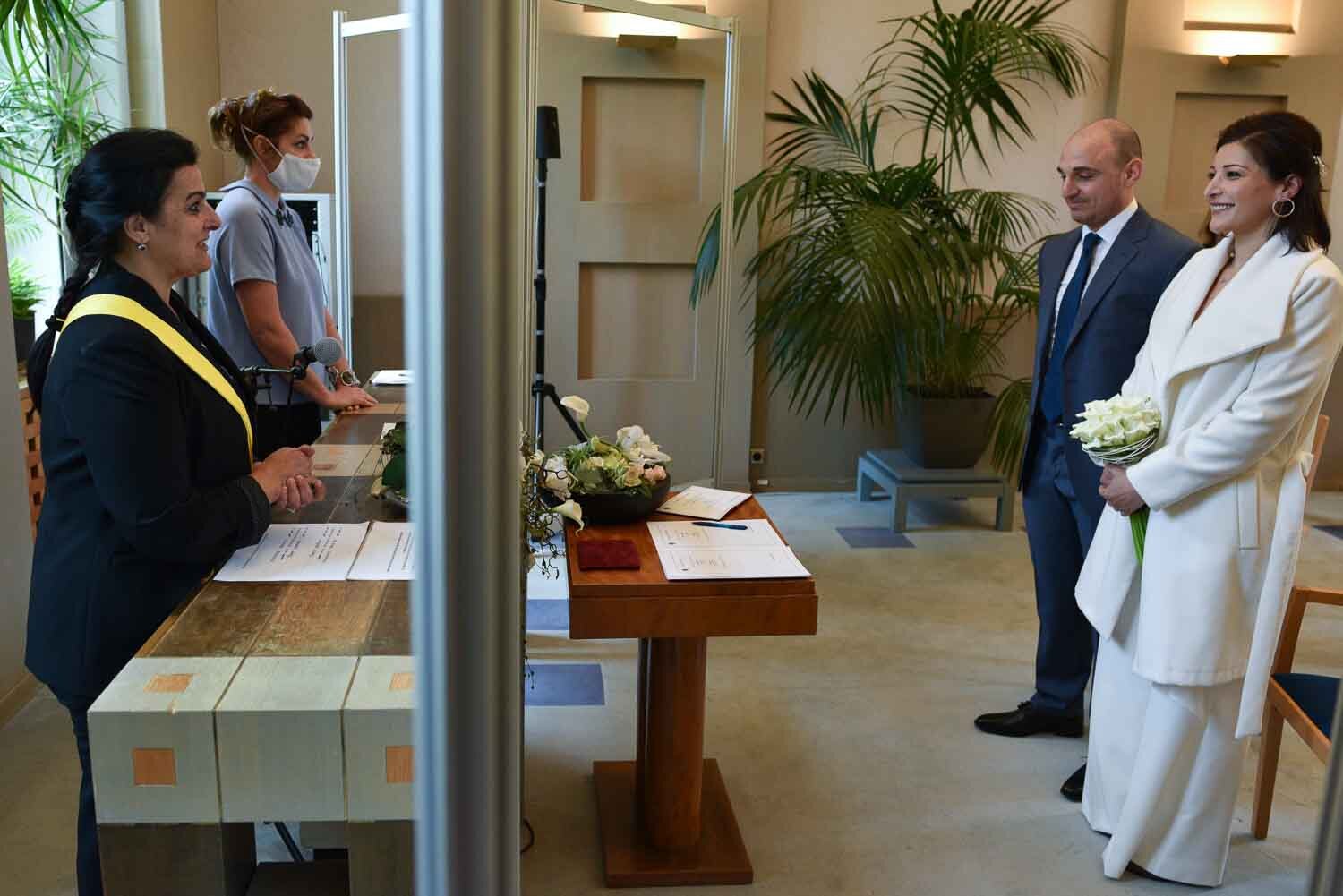
This morning I shot my first wedding since the end of February. Just 16 people were present. The bride’s parents, who live abroad, followed the proceedings via WhatsApp.

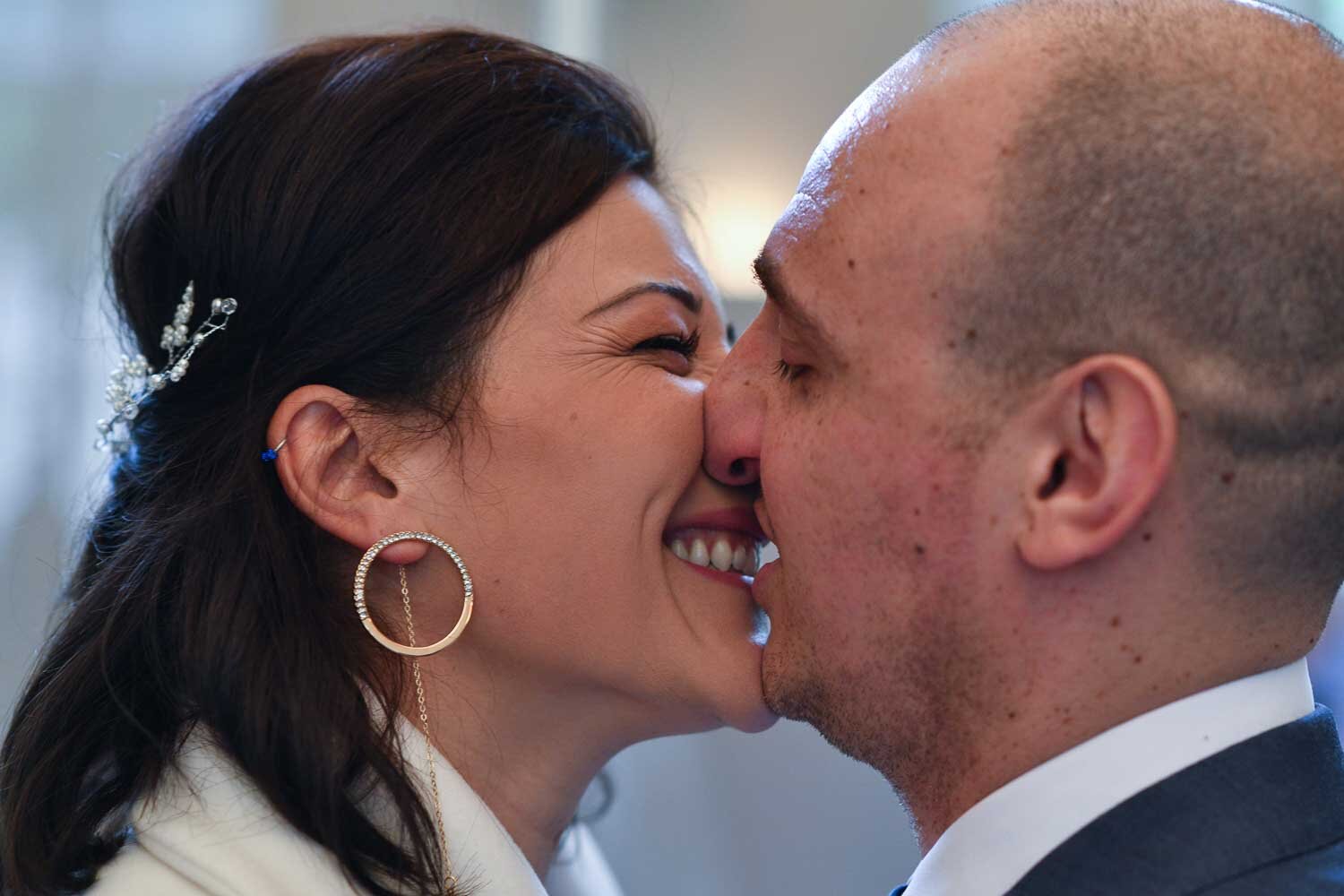
I prefer to work without flash whenever possible – flash not only distracts the people in the room from the emotions of the moment, but also renders them in a less authentic way. Luckily there was just enough light to allow this. I particularly liked the gentle backlighting on their faces for the first kiss.
The wedding took place in an old abbey, and the grounds offered a range of possible backdrops for formal and informal photographs. With everybody starting to relax after the heightened emotions of the ceremony itself, I managed to capture a number of good, unposed shots.

LOCKDOWN-Europe

Belgium was officially locked down on 18 March. We went indoors and stayed there. We stopped going to work. We stopped going to school. When we had to, we hurried out to the shops, but as soon as we could we hurried back home again. Brussels’ 1.3 million inhabitants were confined, and the additional 350,000 who normally commute into the city each day were asked to stay where they were.

Brussels was transformed. Immediately we noticed how quiet it was, and how clear the air was. And once we’d got over our initial panic, we established new routines. Those who could worked from home in casual clothes. We dug out old sets of Monopoly and long-forgotten jigsaw puzzles. We kept in touch with friends and lovers via Instagram and TikTok. We learned how to use Zoom and Jitsi, and got in touch with people we hadn’t seen in decades. We washed our windows.

And we started to inhabit our streets in a new way. We greeted neighbours and even total strangers. Bonjour jeune homme. Bonjour madame. Goedemorgen meneer. Can I help you? After all, we were all living through something remarkable, strange and difficult. We were being asked to stay inside, but when we did venture out we tended to linger – at a safe distance, of course – to ask one another’s news and exchange views on the government’s handling of the crisis. Children rode their scooters down the middle of the street. The cars had gone!

On 21 April, I was approached by a German photographer, Oliver Heinl, inviting me to take part in a Europe-wide project to document the Covid-19 lockdown. Oliver’s idea is to collaborate with one photographer in each of Europe’s 47 capital cities. He gave us ‘carte blanche’ to approach the project in any way we wanted. Each will submit six images to create a record of the European lockdown. He hopes to mount a travelling exhbition and (if he can attract funding) a publication.

All my planned jobs had been cancelled as soon as the lockdown began and I’d received no enquiries since then. So I was thrilled to be working on a real project again. I ventured out for a series of short walkabouts in my own neighbourhood of Ixelles, and I also shot people passing in my street from my front window. I explained the project to almost everybody I photographed and they loved the idea. I’ve submitted my contributions and the first photographs are already online. You can check them out on the LOCKDOWN Europe website as the project progresses.

You can't photoshop gender balance

As an event photographer, it's possible I notice things that organisers and participants simply take for granted. Like all-male panels. Look at the image below. Not only are all five panelists men, they're actually in uniform!

Men wearing black shoes

Of course, it's not my job to advise people on the gender balance of their conferences, or the way their panelists dress. I'm there to record the event and deliver images that make it look good. But in 2020 it's hard to make a panel look dynamic and relevant if it is made up exclusively of men. 

Guys – pass the microphone please!